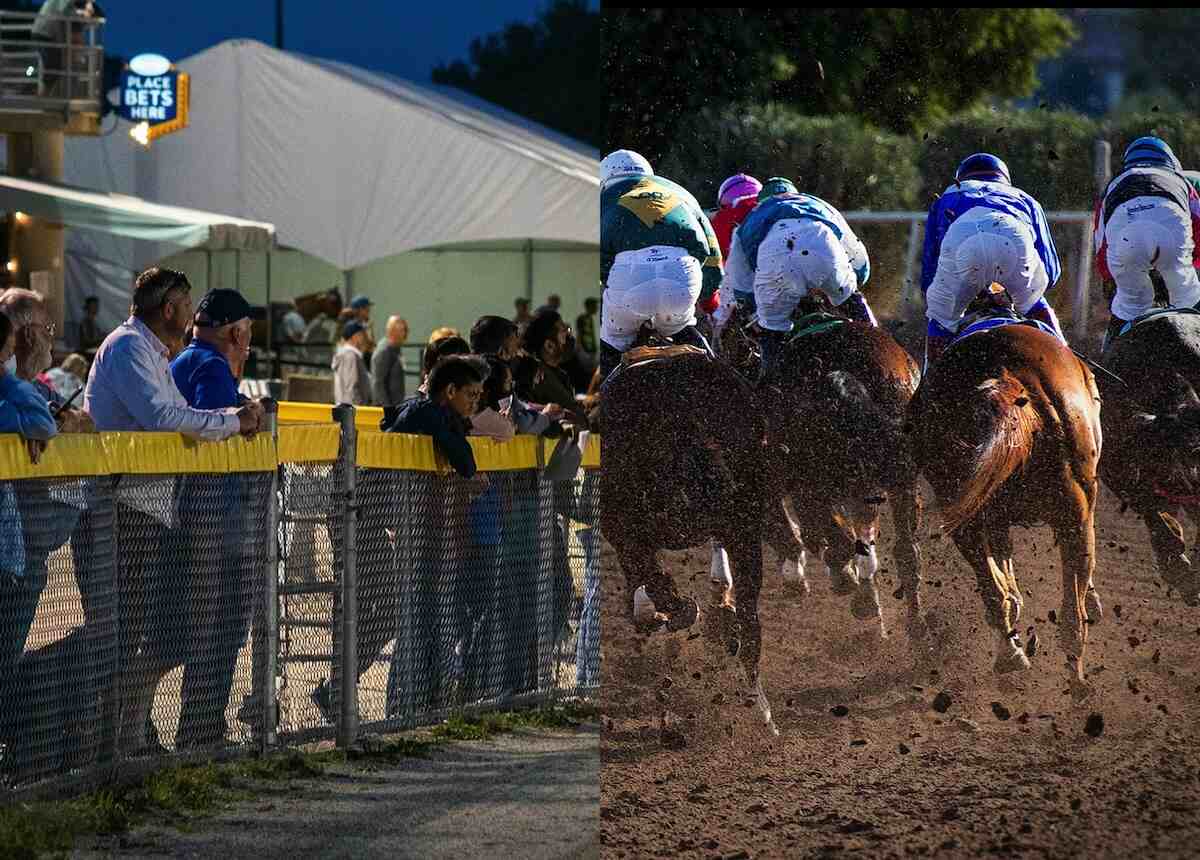
At press, America is in the throughs of the biggest event in thoroughbred horse racing – The Triple Crown. The over one-month long event features the Kentucky Derby, Preakness Stakes, and Belmont Stakes. And while there is a slight lift in outreach for help in fighting what is self-reported as horse betting addiction around this period, there are an estimated 500 horse races running on any given day in the United States. The number of wagering opportunities multiplies exponentially when counting international races that can be wagered online through various platforms, most of which are offshore operators who illegally register unknowing residents from within the USA.
In joining the thousands of Americans who have come online to search for insight into problematic behavior related to horse track betting, you are wondering if an addiction is forming. And if so, you want help from a confidential, convenient, non-judgemental, and effective support provider. Below is a succinct summary of everything you want to know.
Signs, Symptoms, and Cooccurring Concerns of Horse Racing Betting Addiction and Where to Get Help
Signs of Horse Race Betting Addiction
The signs and symptoms of a problematic relationship with on-premises and online horse racing betting include the following:
- You frequently think about the being at the track and/or betting the horses online.
- On numerous occasions you have spent hours and large portions of your days at horse racing tracks.
- You find that you need to wager increasing amounts of money on horse racing not just to increase your perceived chances of winning, but to attain the same rush of excitement that you once felt with smaller wagers.
- You have attempted to control, cut down, or stop betting on horses without success.
- You get get irritable, restless, or anxious when you miss an important race or have not wagered on one in awhile.
- You turn to horse races as a means to cope with and escape negative feelings.
- You have lied to family, friends, and/or workplace management about being at the track or have hidden your online betting interest in horse racing.
- You have sustained debt due to betting the horses.
- You frequently asks for money and/or have resorted to theft to support your horse race betting habit.
If you exhibit some combination of the above, we recommend that you connect to a Kindbridge care coordinator right away to receive a FREE assessment. This quick process will identify whether or you not you require professional intervention for horse betting addiction in addition to other behavioral or mental health issues that are known to cooccur with the concern.
Relationship Between Horse Betting and Problem Gambling
Horse racing as we know it in America is a form of gambling, and like other forms of gambling, it carries the potential for individuals to develop problem gambling behaviors. One issue related to problem gambling that is quite evident in horse race betting, is a cognitive distortion relating to the false perception that there is a winning strategy and skillset involved in the activity. Given that race predictions involve factors like thoroughbred form and health, a jockey’s recent performances, track conditions and weather (etc.) individuals who are drawn to skill-based gambling exhibit a false sense of control, which increases vulnerability to problematic gambling behavior. Click here to view more on cognitive distortions of gambling which are very evident among habitual and compulsive race bettors.
Furthermore, the action-packed nature of horse racing combined with a relatively short duration of races offers bettors more frequent opportunities to bet. This creates a fast-paced gambling environment that can potentially lead to impulsive betting behavior. In a survey of horse race bettors, incidents of mild to more severe instances of problem gambling were 39.4% and 24.0%, respectively.
It should also come as no surprise to find that those who self report as having an addiction to playing the ponies also struggle with other forms of problematic gambling behavior. Throughout the United States, even in regions with strict laws regarding the allowance of land-based casinos, a number of racinos have been established to allow residents to wager on horses and play casino games on-site. As the portmanteau infers, racinos are regulated establishments that combine a racetrack (for horse or greyhound racing) with casino-style gambling. Meanwhile, digital slots, blackjack, roulette, and video poker in addition to sports betting feature heavily on online horse race betting platforms.
Other Mental Health Issues that Cooccur with Horse Betting Addiction
Despite the widespread popularity of horse racing in the United States, there is limited research on the direct relationship between problematic horse race betting and behavioral/mental health issues. However, seeing as horse racing is a form of gambling, and that the signs and symptoms of problematic race betting mirror those connected to casino gaming and sports betting, we can draw similar conclusions regarding comorbidities. If you struggle with any of the following, you may have an increased vulnerability to developing a problematic relationship with horse racing:
| Attention Deficit Hyperactivity Disorder (ADHD) | Anger and Irritability |
| Anxiety | Bipolar Disorder |
| Depression | Obsessive Compulsive Disorder (OCD) |
| Post Traumatic Stress Disorder (PTSD) | Schizophrenia |
| Suicidal Ideation | Substance Abuse |
Learn more about problem gambling and co-existing mental health issues (view here). If you struggle with any of the above and you are concerned about your relationship with horse racing, professional intervention is required. Please keep reading.
Where to Get Help Today
Kindbridge Behavioral Health is America’s leading counseling service for problem gambling, which includes what thousands of individuals refer to as a horse betting addiction. Of further relevance, is the fact that our proven treatment methods (view outcomes) address the above-detailed mental health issues that cooccur with problematic horse race betting behavior. But before we get to all of this, let’s begin your journey to recovery with a FREE assessment to address where you stand. During your FREE assessment you are encouraged to ask any questions and express concerns that you may have before committing to any treatment plan. You have nothing to lose and everything to gain.
Get Help for Horse Betting Addiction Today
CALL +1 (877) 426-4258
OR
Email help@kindbridge.com