
Approximately 44% of high-school graduates choose to attend 4-year (or more) college programs away from home. Beyond access to specific post-secondary programs that may not be available in the city or town of their formative years, many do so to gain independence, broaden their horizons, experience new cultures, and have the chance to reinvent themselves. And while the experience can absolutely lead to healthy self-discovery and personal growth, being a college student away from home can take a toll on mental wellness. Before we discuss what these burdens are, it’s important to first draw attention to those that academic and athletic students who live at or near home, or otherwise, are known to go through. Please read the following as they apply to you (student) or your young adult child (parent):
Addendum: The collegiate experience can be a wonderful period in a young adult’s life, offering opportunities for healthy psychological development. The intent of this article is not to dissuade one from attending university away from home, but to enumerate issues to be mindful of so that preventative measures and support strategies can be integrated beforehand.
List of Mental Health Burdens Specific to Young Adult Students Who Attend College Away from Home
1. Financial Burdens
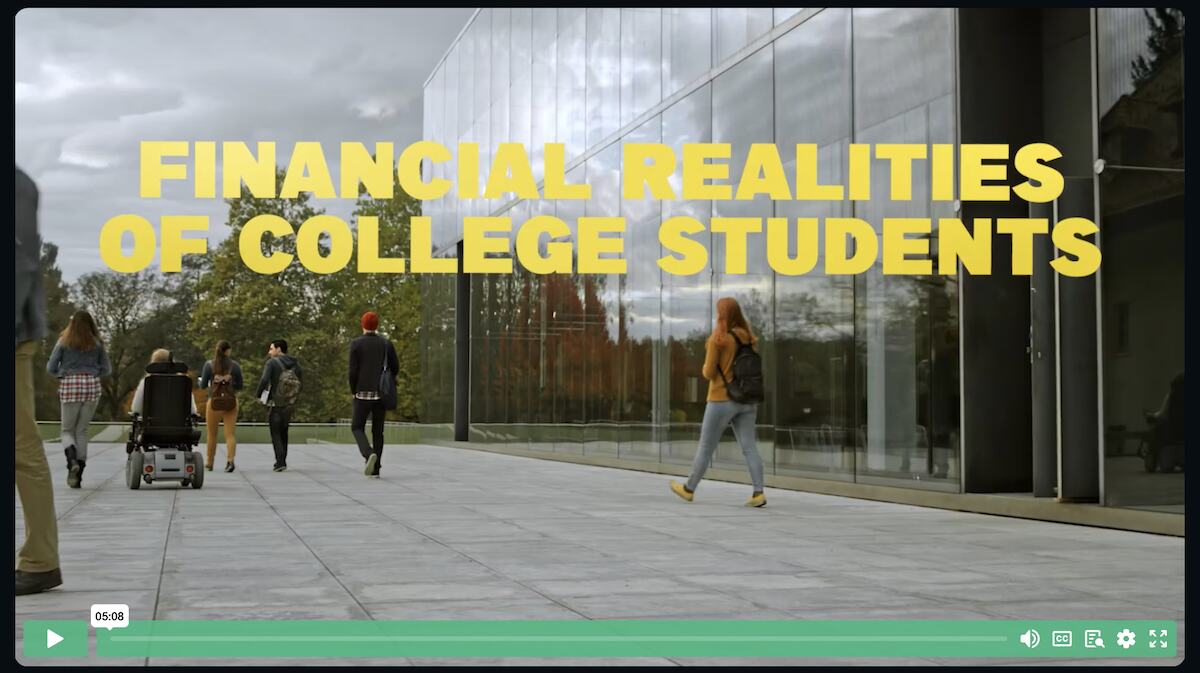
Whether funded exclusively by parents, on scholarship, using student loans, receiving financial aid, or working through college, finances are generally a lot tighter for “away” students than it is for those who live at home. These financial concerns can add to anxiety and stress that are already felt from academic and athletic pressures. Click or tap the following for further insight:
2. Nutritional Burdens
Eating disorders (EDs) are named among the mental health concerns experienced by college students (see links to resources in the introduction). However, the National Institutes of Health (NIH) indicate that prevalence estimates of EDs among this population segment range from 8% to 17%, with the majority of students not struggling with an ED. And yet, nutritional burdens can still take a toll on the mental health of the remaining percentage.
Financial constraints addressed above in addition to time pressures of academic/athletic loads and lack of access to food preparation/cooking stations limit consumption of healthy foods. Students who are unable to enjoy home-cooked meals turn to fast foods and snacks that are loaded with sodium, sugar, and unhealthy fats. Research confirms that processed foods of this nature are linked to increased risk of anxiety and depression.
3. Peer Pressures
Peer pressure is felt in high-school, but most teenagers have some sort of foundation at home to mitigate their exposure to harmful substances and activities that are promoted by those in their social group. Those who attend post-secondary education while remaining at home still face this same pressure, but it’s more muted when compared to what is experienced by those who attend college in other area codes. The latter’s exposure increases with campus-living where there is no parental gatekeeping. Further, as they become of legal age, the variety of things that they can be influenced to participate in grows, such as casino gaming and sports betting.
4. Isolation
Some students who move away from home to attend college flourish socially, forming new bonds and relationships that may support their psychological wellness. However, a significant number do not, and instead leave behind a group of friends who have provided that support in the past. A study by the American College Health Association has found that over 60% of students feel “very lonely” in college, and another survey indicates that 20% of university students in their second and third year have no “real friends” to lean on.
5. Health and Safety
Health and safety are another mental wellness concern. At the most basic level, not having parents nearby to take care of them when sick with a cold or flu can elevate negative emotions. At a more concerning level, more than 82% of college students report feeling concerned about their personal safety when living on or near campus. These fears heighten feelings of anxiety, stress, and depression.
6. Unfamiliar Surroundings
The mere circumstance of living in unfamiliar surroundings can also increase feelings of anxiety, stress, and depression. Sights and sounds that college students associate with the sanctity of home are removed from the periphery and are replaced by those that are unknown. Research confirms the negative effect of perceived environmental uncertainty not just on mental health, but on academic engagement and social behavior.
7. Lack of Household Support
Even if a young adult isn’t typically open about their emotions at home, parents pick up on the subtle cues that they need an inspiring word, hug, or hot cup of cocoa. Younger siblings and even household pets are also able to recognize concerning signals and provide their own version of loving support. With “on premises” household support removed from the on-campus collegiate experience, students must be more mindful not just of everything discussed above, but learn to open up and access support by phone and/or online. Connecting to loved ones via this virtual manner is a start, but supplementation with specialized counseling services is critical. Please read ahead for your call-to-action.
Parents are encouraged to make a worthwhile investment in a counseling subscription (view here) that their student/s can use to support their time away from home. Sessions can be completed as a family, or on a one-on-one basis between the student and counselor. Consider it as being just as essential as tuition, books, and living expenses. Students who pay their own way and have limited finances may consider more affordable group counseling, even if just once per month, in addition to accessing on-campus resources that may be available.
College Student Mental Health Support from Anywhere, Anytime
CALL +1 (877) 426-4258
OR
Email help@kindbridge.com